Published on
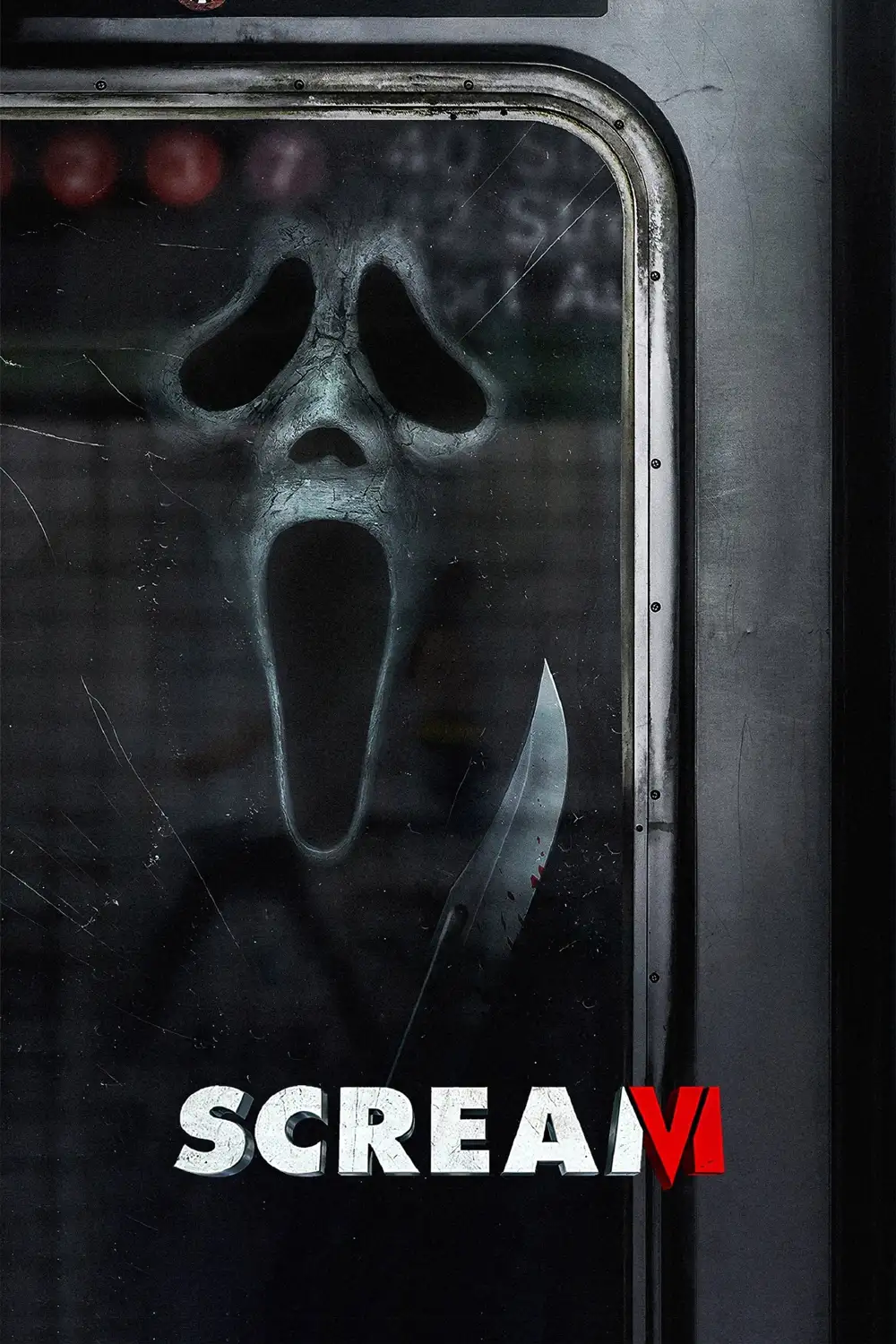
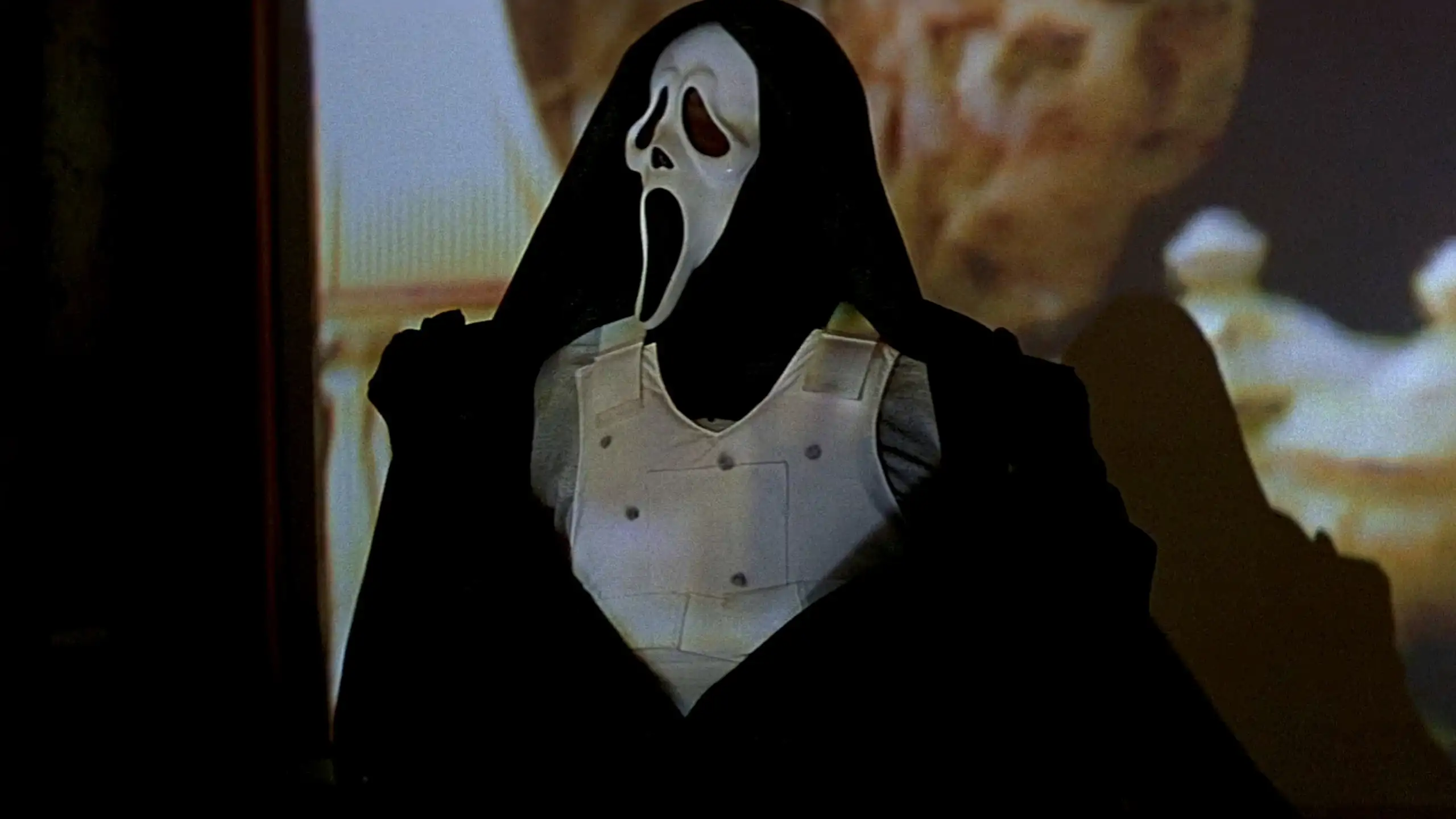
Before Scream 4 arrived more than a decade later, Scream stood as a closed trilogy, with the straightforwardly titled Scream 3 acting as its final chapter. At the time, that finale was widely seen as a misstep—often labeled the weakest entry in the series. But reputations have a way of shifting. Films like Halloween III: Season of the Witch and Jason Goes to Hell: The Final Friday were once dismissed, only to be reassessed more kindly years later. Maybe, after 26 years, Scream 3 has benefited from that same kind of hindsight.
In Scream 3, Sidney Prescott has retreated into isolation, living under a new identity while working as a crisis counselor, but she’s drawn back into the nightmare when a new Ghostface killer begins targeting the cast of Stab 3, the in-universe film based on the Woodsboro murders. As bodies pile up on a Hollywood studio lot, Gale Weathers and Dewey Riley investigate alongside the film’s cast and crew, uncovering a trail of clues tied to Sidney’s mother, Maureen Prescott. The mystery ultimately leads Sidney to confront both her past and the killer, whose motives are rooted in a long-buried connection to her family, culminating in a final showdown that blurs the line between movie fiction and reality.
Hollywood has always had a soft spot for movies about making movies, and Scream 3 leans all the way into that idea. It even opens on the iconic Hollywood Sign, setting the tone right away. Much of the story unfolds on a studio lot, with a heavy emphasis on soundstages, directors’ offices, and prop storage rooms—pulling the curtain back on the filmmaking process while turning it into a playground for horror.
At the center is the production of Stab 3, the in-universe film series based on the “real” events of the Scream movies. It’s meta on top of meta, and the film knows it. One of the best payoffs comes when Courteney Cox’s Gale Weathers comes face-to-face with her on-screen counterpart, played by Parker Posey—a gag that perfectly captures the movie’s self-aware humor.
This setup also allows the film to cleverly revisit Woodsboro, thanks to detailed recreations built on set. Those artificial environments aren’t just window dressing either—they’re central to one of the film’s standout sequences, as Ghostface stalks Sidney through a maze of familiar-yet-fake locations. Doors open to unexpected places, reality blurs with fiction, and the result is a chase that feels both nostalgic and refreshingly unpredictable.
One of the lingering issues—already present in Scream 2 and, to a lesser extent, the original Scream—is how heavily the killers’ motives are tied to Maureen Prescott. As Sidney’s mother, she’s been dead for a year before the series even begins, and her presence is mostly limited to photos and exposition. Scream 3 doubles down on that thread, with the killer leaving pictures of Maureen at every crime scene, pushing her shadow even further into the spotlight.
But that’s also where things start to creak. Maureen has never quite functioned as a fully realized character within the series, and while Scream 3 finally gives her some form through dream sequences, it still feels like a patch rather than a payoff. The result is a backstory that comes off as increasingly convoluted, stretching credibility instead of enriching it.
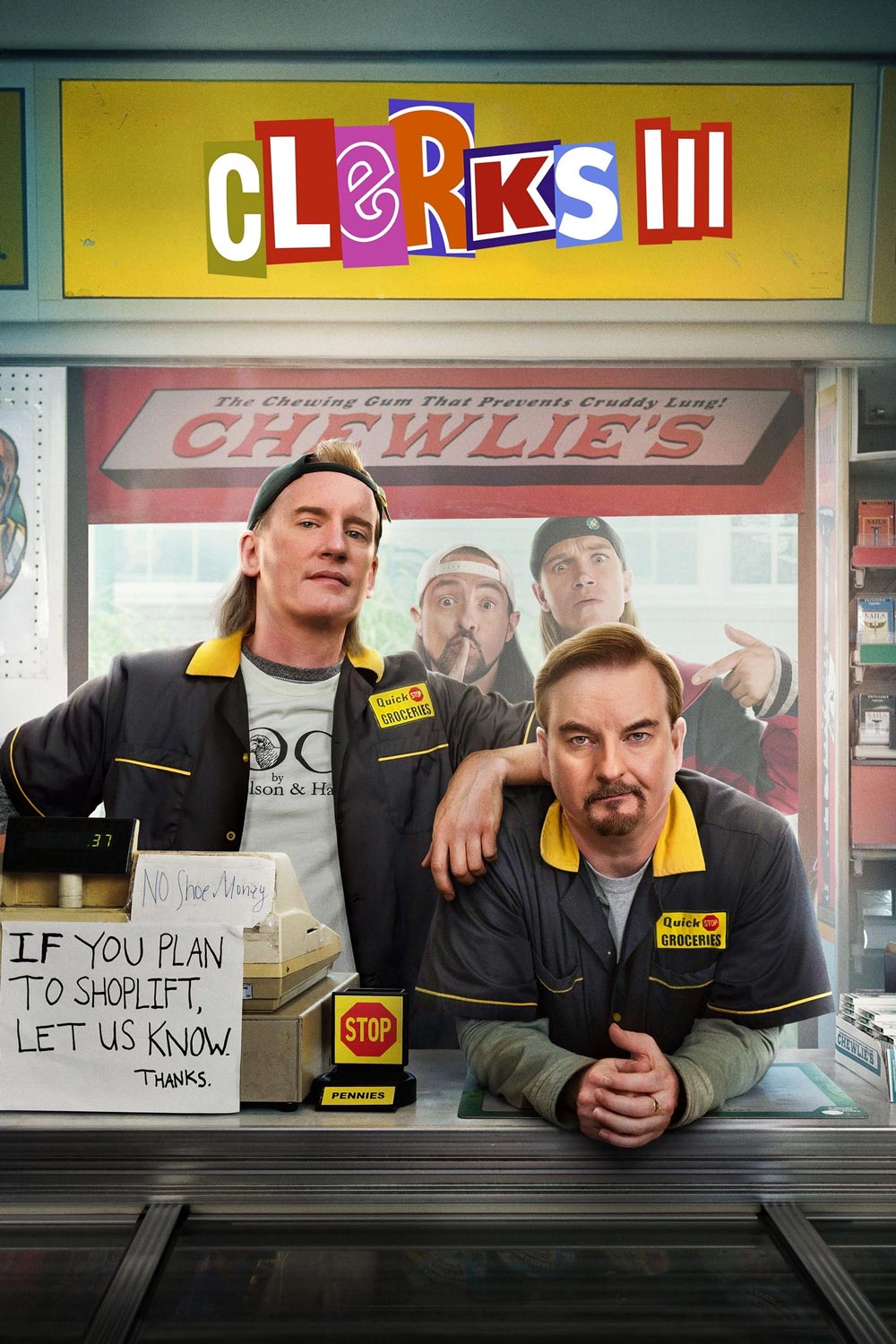
That narrative sprawl arguably makes Scream 3 the most nonsensical entry in the franchise. Its twist-heavy plot feels over-engineered, and not always in a satisfying way. Perhaps its most enduring legacy is how it was later riffed on in Jay and Silent Bob Strike Back, where Kevin Smith pokes fun at the series’ tangled logic. That film, fittingly, also revolves around moviemaking and builds to a studio lot finale—mirroring Scream 3 in a more knowingly absurd key.
There’s even a direct crossover: Jay and Silent Bob pop up briefly during a studio tour in Scream 3, a fun little cameo that stands out. It’s a bright spot in an otherwise sluggish entry, whose nearly two-hour runtime is something you can definitely feel.
While it’s not a total disaster, Scream 3 still lands as the weakest entry so far—and possibly of the entire series. That might be a bold call given the franchise keeps going (and I haven’t even caught the latest installment yet), but it’s hard to ignore how underwhelming the payoff is. The killer reveal, in particular, feels like a letdown. Instead of a trail of clues, the film leans almost entirely on red herrings, making the final unmasking feel less like a clever twist and more like it comes out of nowhere.
And unlike some other maligned sequels that have enjoyed critical reappraisal over time, 26 years haven’t exactly rehabilitated Scream 3. It still struggles under the weight of its own convoluted plotting, and its big ideas never quite come together in a satisfying way. If anything, it feels like a film made more for people inside the industry than for the audience watching it. The behind-the-scenes Hollywood angle is interesting in theory, but it doesn’t fully translate into a compelling story.
There’s some novelty in getting that peek behind the curtain, sure—but it would’ve been nicer if it came packaged in a sharper, more engaging movie.