Published on
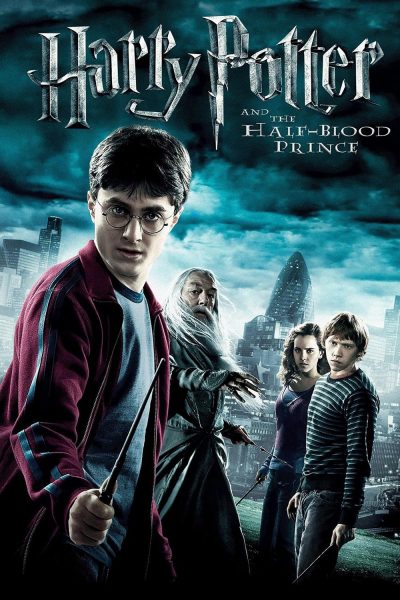
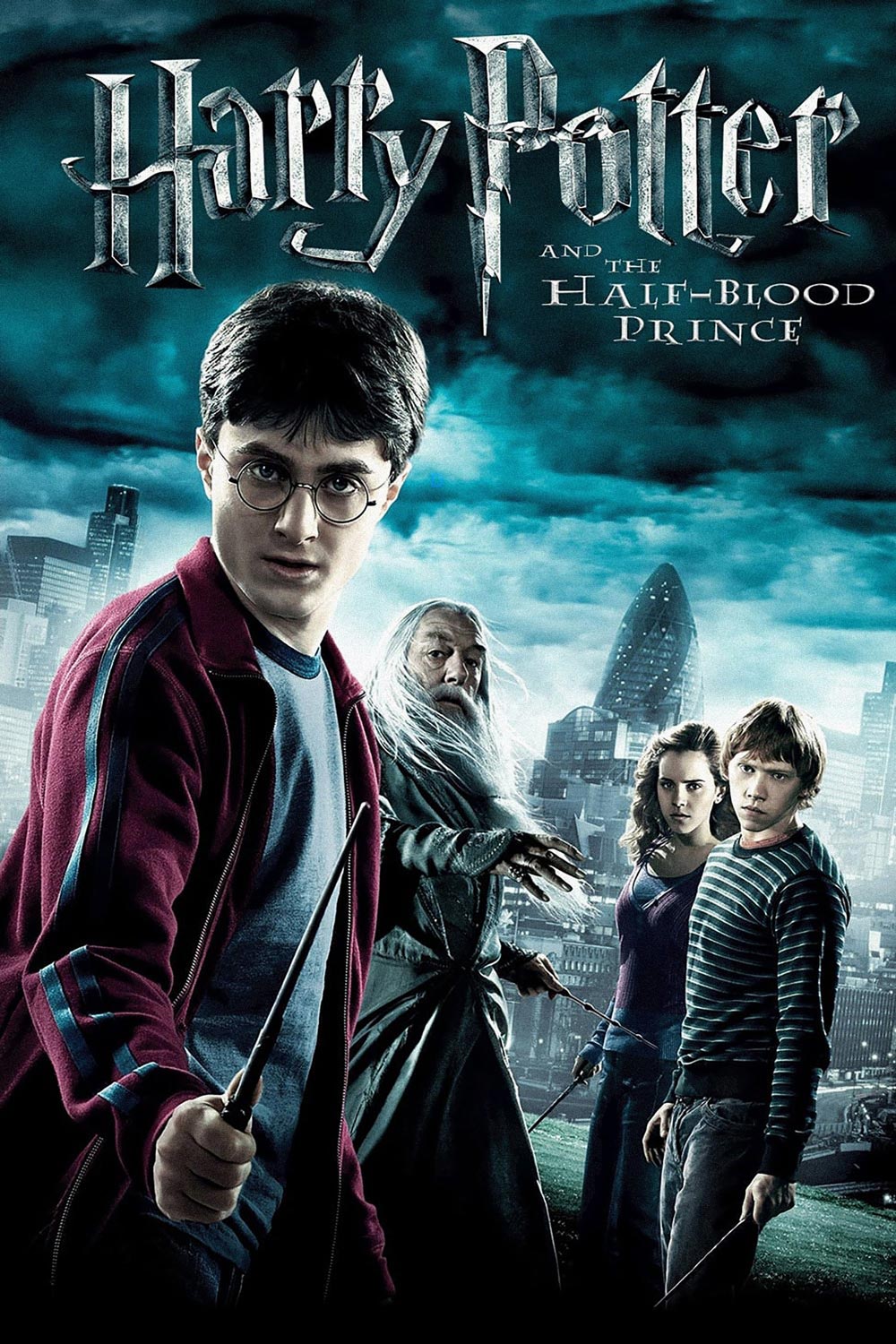
Of all the Harry Potter films, Harry Potter and the Half-Blood Prince is the only one I reviewed upon its original release back in 2009. That makes this revisit especially fun: sixteen years later, I’m curious to see how my opinion has held up, how binge-watching the entire series affects the experience, and how my own reviewing style has evolved over time. So, without further ado, here’s my review of Harry Potter and the Half-Blood Prince.
In Harry Potter and the Half-Blood Prince, Lord Voldemort’s power continues to grow as Dumbledore begins preparing Harry for the final confrontation by uncovering the Dark Lord’s past. A new potions teacher, Horace Slughorn, arrives at Hogwarts, and Harry gains an edge in class through a mysterious annotated textbook once owned by someone calling himself the Half-Blood Prince. While romantic tensions develop among Harry, Ron, Hermione, and Ginny, Draco Malfoy behaves suspiciously, secretly working on a dangerous task assigned to him by Voldemort.
One of my main criticisms of this film’s predecessor, Harry Potter and the Order of the Phoenix, is that it feels more like an episode of a TV series than a standalone movie. The same is true here, as nearly everything that happens functions as setup for the finale.
Harry Potter and the Half-Blood Prince is primarily concerned with putting pieces into place and further developing its existing characters. Early on, the film reveals that Snape is in league with the Dark Lord. Bellatrix Lestrange emerges as the series’ closest equivalent to a terrorist, burning down the Weasley home and taunting Harry with her role in Sirius Black’s murder. Meanwhile, Draco Malfoy is given his own arc, quietly experimenting with a mysterious vanishing cabinet.
A major part of the film’s narrative is devoted to pairing off the cast with love interests, relationships that will later raise the stakes when those loved ones are put in danger. Harry finds romance with Ron’s sister, Ginny, while Ron and Hermione finally get together in a way that still feels somewhat shoehorned. Hermione only seems to realize her feelings go beyond friendship once another girl becomes smitten with Ron.
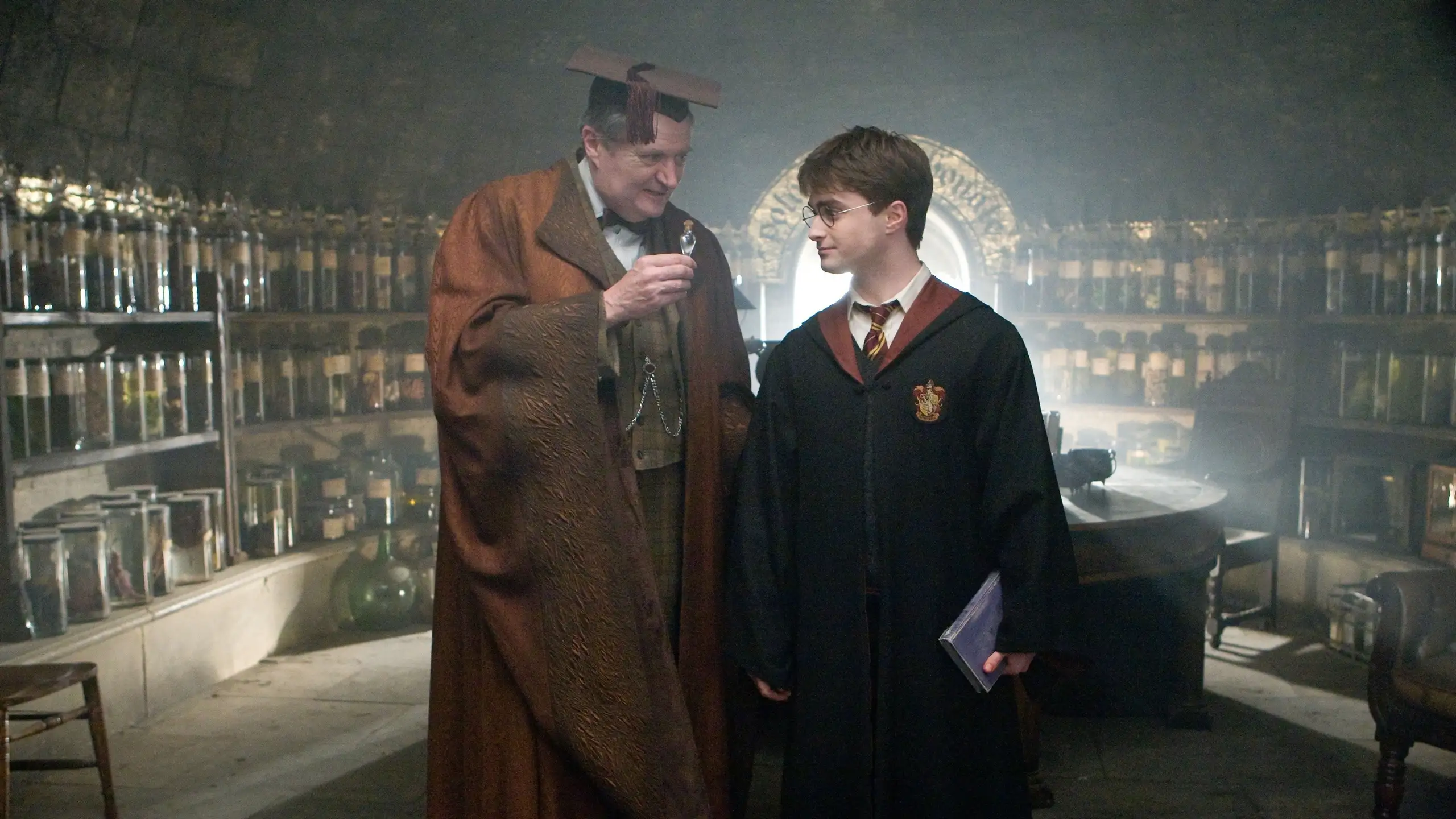
As has become tradition, a new teacher is introduced—this time the potions master Horace Slughorn, played by British acting royalty Jim Broadbent. Slughorn has a past connection to Voldemort, who was once his student, prompting Dumbledore to task Harry with uncovering the secrets Slughorn may be hiding. Harry gets an assist from a potions textbook previously owned by a student calling himself “The Half-Blood Prince.” The handwritten notes in the book allow Harry to excel in class, earning Slughorn’s attention and an invitation to the exclusive dinner parties he hosts—an element that sounds far more dubious than the film ever acknowledges.
Harry Potter and the Half-Blood Prince introduces the Horcruxes, with the film’s finale centered on retrieving the first of them. They function as a classic MacGuffin and form the foundation for the next two movies. It’s a somewhat lazy narrative device, giving the author an easy excuse to move characters beyond the confines of Hogwarts—though, to be fair, spending an extended amount of time away from the school is refreshing, since most of the series is rooted in and around its walls.
At its core, the story is strong, but the fact that this installment so clearly serves as a piece of a much larger puzzle makes it less satisfying than the more standalone first four films. I’m well aware that this overarching structure is part of what makes the franchise so engaging, but it also hurts the rewatchability of a movie like Harry Potter and the Half-Blood Prince. You can easily throw on Harry Potter and the Chamber of Secrets at any time, whereas this film really only works when you’re watching the entire series. You’re dropped into the middle of an ongoing story and left hanging on a cliffhanger.
The issues I had with the cinematography in Harry Potter and the Goblet of Fire, and to a lesser extent Harry Potter and the Order of the Phoenix, also apply to Harry Potter and the Half-Blood Prince. The color grading is extremely dark, and in some scenes the image is so desaturated that the main cast looks downright ill. I’m starting to sound like a broken record—and I know this won’t change in the final two films—but this drab palette also causes the post-Azkaban entries to blur together, robbing them of a distinct visual identity.
Harry Potter and the Half-Blood Prince isn’t a good standalone movie, but it does work as a solid “episode” in the larger Harry Potter saga. In many franchises—James Bond, Mission: Impossible, or even a straightforward slasher like Friday the 13th—you can jump into the fifth installment without having seen the previous four and still grasp what’s going on. The Half-Blood Prince doesn’t function that way at all. It demands familiarity with everything that came before, effectively turning the series into a very expensive television show.