Published on
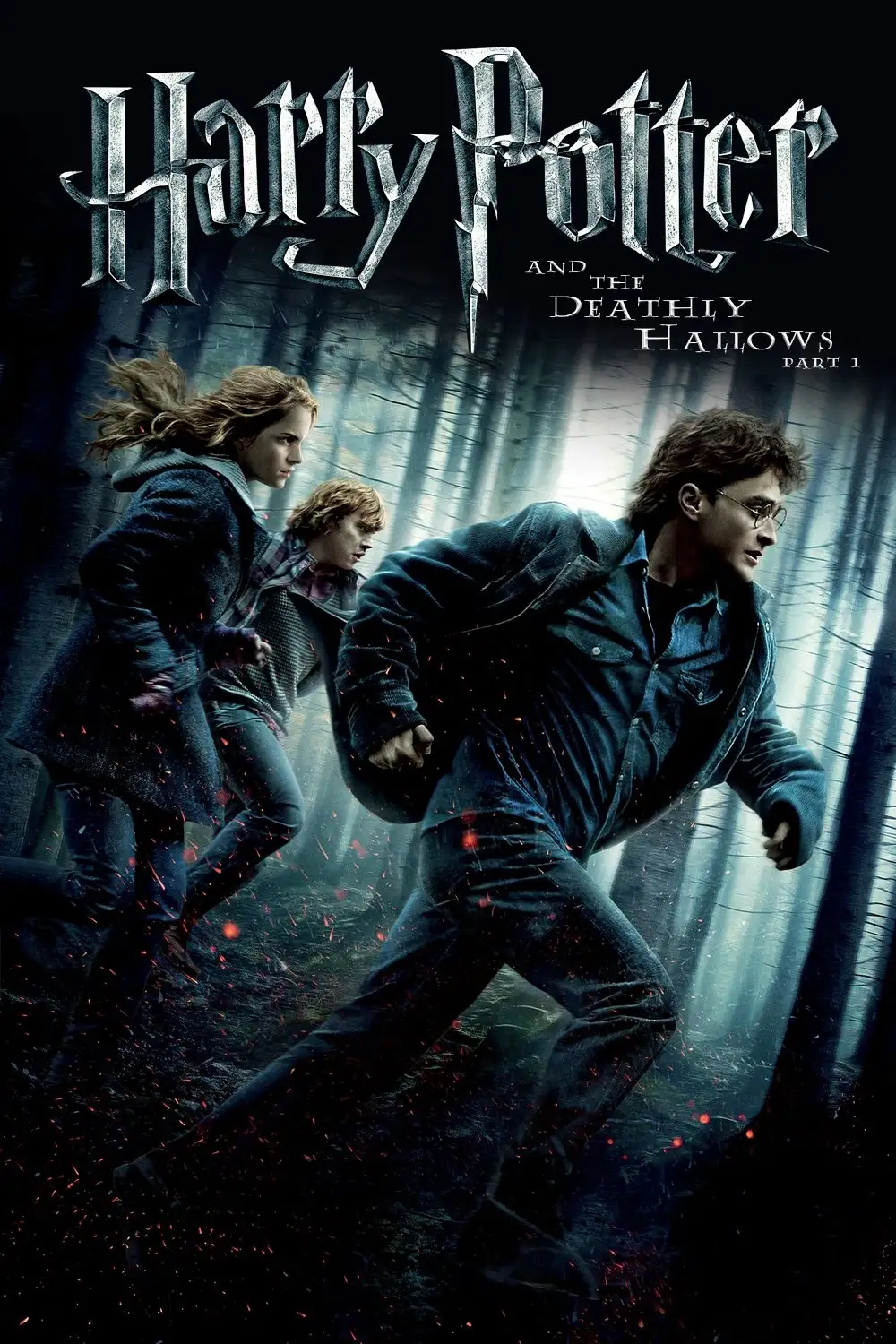
And just like that, we’ve reached the final chapter in the Harry Potter series: Harry Potter and the Deathly Hallows: Part 2. From 2001 to 2011, we journeyed to Hogwarts and watched our young heroes grow up before our eyes. Now it all leads here—the long-awaited final showdown between Harry and He Who Must Not Be Named, Voldemort. From The Order of the Phoenix onward, the films shifted their focus toward building this endgame rather than telling fully standalone stories, a choice that sometimes held them back. But that long buildup pays off, because this final installment truly delivers.
In Harry Potter and the Deathly Hallows: Part 2, the battle between good and evil reaches its climax as Harry, Ron, and Hermione return to Hogwarts to find and destroy Voldemort’s remaining Horcruxes. Their quest draws students, teachers, and magical creatures into an all-out war against Voldemort and his forces, resulting in devastating losses and acts of heroism.
In my reviews of the previous three films, I noted how the series moved away from more self-contained stories toward something resembling a serialized TV show, with each installment acting as another episode in an ongoing narrative. That shift made everything after The Goblet of Fire feel like a very expensive TV episode, but it also laid a solid foundation for the finale—Deathly Hallows: Part 2. And as far as final entries in a long-running franchise go, Harry Potter absolutely sticks the landing, a feat many other franchises fail to achieve.
The movie picks up exactly where Part 1 left off. After burying Dobby on the beach, the group gets crucial information from the goblin Griphook, setting them on their next mission: breaking into Bellatrix Lestrange’s vault at Gringotts. I was expecting a few more Horcrux-hunting detours, but the two remaining Horcruxes are tied to Hogwarts, meaning the gang is headed back to familiar ground after having spent a long stretch away from the school for the first time.
One of the film’s greatest pleasures is seeing so many familiar faces return. Characters we haven’t seen since the first or second movie reappear, giving the finale a strong sense of closure. Mr. Ollivander from the wand shop has a small but meaningful role, as do professors like Sprout and Trelawney. Even characters who have long since died are given their moments, whether through flashbacks or in a ghostlike presence, reinforcing the feeling that the entire series is coming together one last time.
This week I also watched the Stranger Things finale, and despite its enormous core cast, the writers didn’t have the nerve to kill off any of them. It feels like a cowardly choice, because a finale is the one moment where you can sacrifice fan-favorite characters to truly raise the stakes and underline the threat. In both parts of Harry Potter and the Deathly Hallows, no one is safe. By the time the Battle of Hogwarts is over, several characters who don’t deserve it are dead. That shouldn’t come as a shock—after all, Dumbledore and Sirius Black were already killed off in earlier films—but it gives the finale real weight, especially because not everyone gets a happy ending.
Because this movie is the product of a 5+ hour story split into two parts, it’s actually the shortest film in the franchise—a refreshing change, given that most of the other movies hover around two and a half hours. And despite its relatively lean runtime, it packs in plenty of character development. Ron and Hermione share their first on-screen kiss, and Snape receives a full redemption arc, finally revealing the truth of what happened 17 years ago.
While it’s a satisfying send-off for the series, the movie isn’t without its flaws. Despite some impressive set pieces—one even featuring a dragon—the visuals can feel underwhelming. The climactic duel between Harry and Voldemort boils down, at its core, to two men pointing sticks that shoot beams of light. There’s a lot of potential for more imaginative spectacle, but in the end, wands function like this universe’s guns, with their wielders simply shouting Stupefy to knock someone out or Avada Kedavra to kill.
Harry Potter and the Deathly Hallows: Part 2 is a satisfying conclusion to one of the most ambitious undertakings in film history—an achievement only echoed by Twilight and The Hunger Games, and a precursor in many ways to the interconnected storytelling of the MCU.