Published on

For years, The Muppet Show has been sitting idle on my Media Center—every episode, including the ones missing from Disney+. Since this year marks the 50th anniversary of the show, it felt like the perfect excuse to dust off those episodes and finally binge-watch them all.
Having grown up in the 80s, I saw plenty of The Muppet Show episodes at the time. But it was far from the only Jim Henson production I grew up with. His Muppets were also a huge part of Sesame Street, and the 80s brought a wave of other Henson shows like Fraggle Rock, The Storyteller, and Muppet Babies, along with a couple of feature films—including three Muppet movies.
The 80s were certainly the decade of the Muppets.

The origin
The Muppet Show didn’t appear out of nowhere, but was the result of several earlier attempts by Jim Henson to bring his characters to a broader audience beyond children’s television. Although the Muppets had already gained fame through segments on Sesame Street and various commercials and talk show appearances, Henson originally envisioned them as performers in a more adult-oriented comedy and variety format. An early attempt came with the television special The Muppets Valentine Show, followed by the pilot The Muppet Show: Sex and Violence. While American networks passed on the concept, British producer Lew Grade saw its potential and agreed to finance the series through his company ITC Entertainment. This unusual transatlantic arrangement allowed the show to be produced in the United Kingdom and then syndicated internationally, finally giving Henson the variety show format he had been trying to create for years.
The Muppet Show is structured as a classic variety show, presented as if it’s being performed live in a theater. Each episode features a celebrity guest star who participates in sketches, musical numbers, and comedy bits alongside the Muppets. The show is framed around the chaos behind the scenes, with Kermit the Frog acting as the long-suffering producer trying to keep the production from falling apart while a cast of eccentric characters constantly derails rehearsals and performances. The result is a fast-paced mix of slapstick, parody, running gags, and musical performances, all tied together by the idea that you’re watching a wildly unpredictable stage show barely held together from one act to the next.
Being a sketch-based show with segments that only last a couple of minutes, The Muppet Show is surprisingly well suited to this day and age of short attention spans and busy schedules. Episodes can easily be paused between segments and picked up later without missing a beat or disrupting the flow.
While each episode does contain a loose overarching story, almost all of the sketches work perfectly well as standalone bits.
In fact, you can watch almost any episode completely out of order and not miss a beat. Over the course of five seasons and 120 episodes, the Muppets undergo very little real character development. Gonzo’s love for chickens—especially Camilla the Chicken—is introduced about halfway through the series, and a now-staple character like Rizzo the Rat gradually evolves from a generic gray background rat into the fast-talking brown rat audiences know and love today. But aside from small touches like these—changes that feel more like natural evolution than carefully planned arcs—the personalities of the Muppets remain remarkably consistent, from the very first episode of season one to the final episode of season five.
Guest stars
 At the center of each show is the guest star—usually a celebrity, though occasionally someone more unusual, such as Mummenschanz, Rudolf Nureyev, or Doug Henning. These were performers who operated somewhat outside the traditional worlds of music, movies, and television—coming instead from fields like ballet, theater, or stage magic. The guest stars would typically appear in a few sketches or musical numbers, with the only real constant being that they were performing alongside the Muppets.
Watching the show today—50 years after its debut and 45 years after the final episode aired—it can be difficult to get especially excited about many of the guest stars, and in quite a few cases it’s hard to gauge just how famous they were at the time. There are certainly some guests I still recognize, even though I was born two years after the show first aired, but the majority are unfamiliar to me. Names like Zero Mostel, Lola Falana, and Joel Grey are ones I’ve never really encountered outside of this show—despite their often lengthy Wikipedia entries.
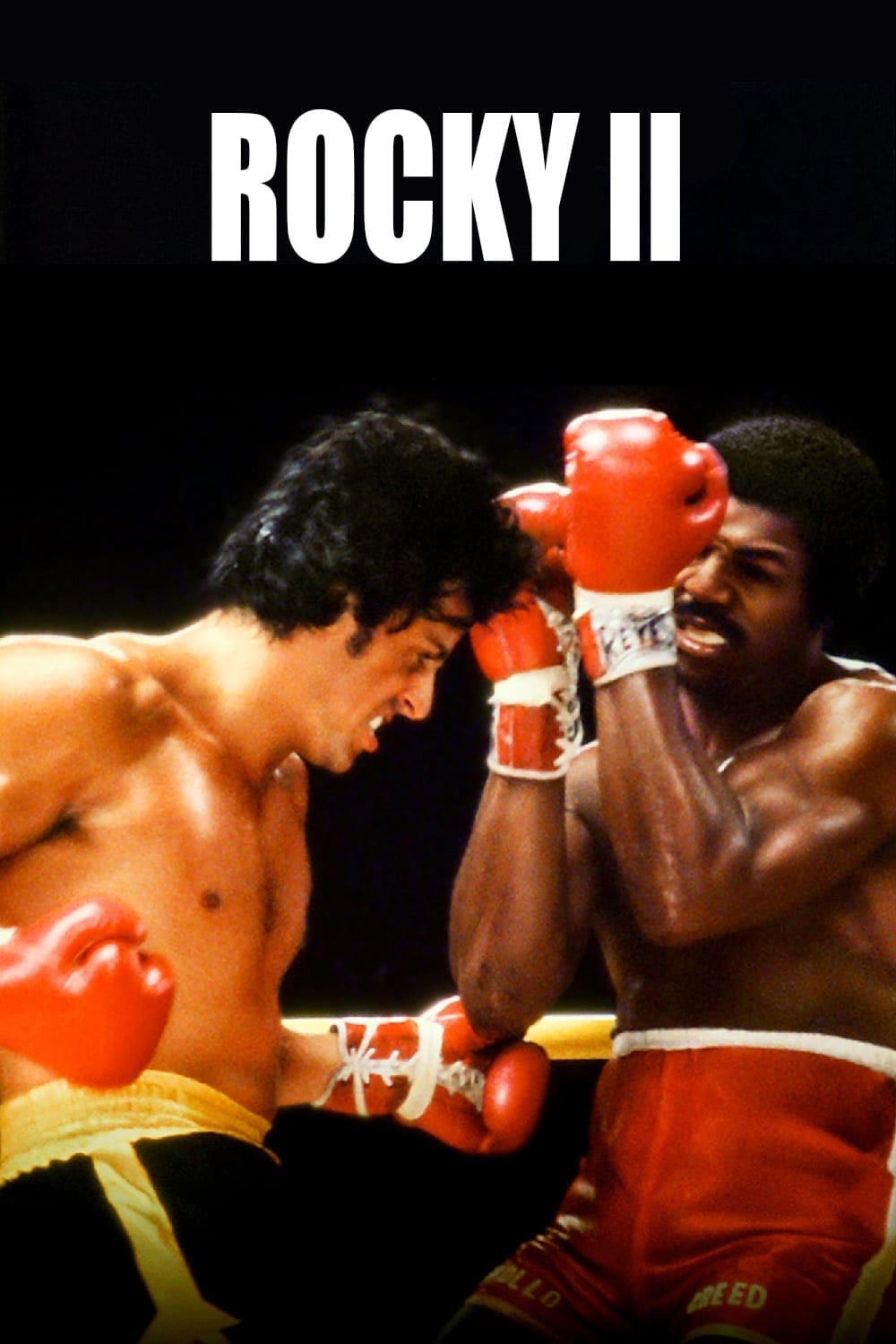
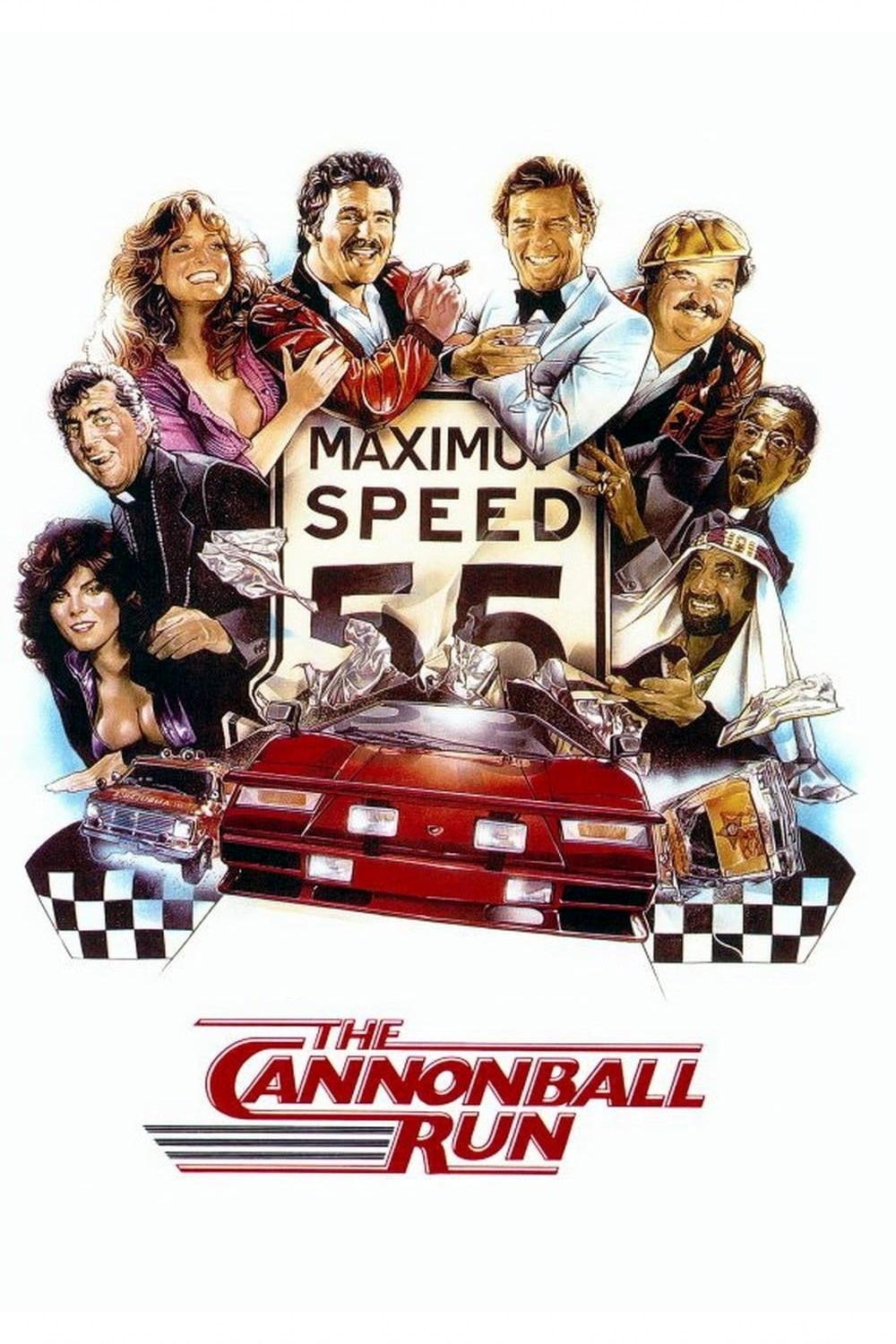
Though some of the guest stars were—and in some cases still are—very recognizable today. Even though he has long since passed away, Roger Moore remains a familiar name to many, largely thanks to his legacy as James Bond in several of the James Bond film series films. In terms of musical guests, artists like Johnny Cash and John Denver are still household names. And performers such as Sylvester Stallone, Elton John, Mark Hamill, Lynda Carter, and John Cleese have had careers that extended well beyond their appearances on the show.
The guest stars who tended to come across best when interacting with the Muppets were actors and comedians. Other guests—particularly some of the musicians—often delivered their lines rather stiffly, and at times it can feel a bit like watching a grade school play. Debbie Harry is especially guilty of this in the opening scene with Pops, the elderly stage doorman, in season five. Fortunately, the guest stars were usually placed in sketches that played to their strengths, sometimes almost feeling like a form of promotion. Artists such as Debbie Harry, Alice Cooper, and Elton John largely appear in musical numbers that put a Muppet spin on their own hits. It’s a bit of a cheap trick—since it can make the show feel like a commercial for the artist—but 50 years later it’s still fun to see these alternative Muppet takes on well-known songs from the 1970s.
There isn’t really a standout guest star, in my opinion. That said, the episodes featuring movie and TV stars with a lasting legacy—like Roger Moore or Sylvester Stallone—tend to be the most accessible today, simply because there’s an immediate sense of familiarity with them. That makes it easier to connect with those episodes than with appearances by performers like Joan Baez, who, while very influential in her own field, may be far less recognizable to modern audiences.

Timeless humor
What makes the Muppets the Muppets isn’t just the fact that they’re puppets. It’s also their particular brand of humor—or, in the case of Fozzie Bear, the distinct lack of it. The show operates on multiple levels, appealing to children while also sneaking in jokes for adults, with plenty of double entendres sailing right over younger viewers’ heads. A character like Sam the Eagle—one of my personal favorites—is funny precisely because he is so determined not to be funny. His stiff sense of dignity and moral superiority constantly clashes with the chaos around him. Even the fact that he presents himself as the embodiment of refinement while also being a bald eagle—the national symbol of a country that gave the world fast food—is amusing in itself.
Some of the Muppets are fairly one-note, like Crazy Harry, but most of them work in a wide variety of situations. That flexibility is one of the reasons these characters translate so well to movies, where they can take on roles completely different from their The Muppet Show personas. Much of that success comes from the puppeteers, who manage to inject an incredible amount of life and personality into these characters. They turn pieces of felt—with arms clearly operated by rods or wires—into figures that feel genuinely alive. You accept them as real because, in the context of the show, they simply are.
The show is rarely laugh-out-loud hilarious—at least not for adults—but it is consistently amusing. Most episodes deliver a steady stream of jokes, gags, and visual bits that produce a regular series of small laughs and knowing chuckles throughout.

Trigger warnings
The source for my viewing of the episodes consisted mostly of DVDs and TV rips, so I never encountered these warnings firsthand. I’ve since learned that on Disney+, not all episodes are available, and some come with trigger warnings. These warnings don’t specify the exact content, leaving it to the viewer to discover what sensitivity readers flagged. For example, Johnny Cash’s episode features a set with a Confederate flag in the background, and various sketches throughout the series portray Muppets in culturally specific settings, sometimes dabbling in stereotypes of groups such as gypsies, Asians, or Native Americans.
In my opinion, these warnings are the best approach. The alternatives—editing the episodes or removing them entirely—are far worse. Cleaning up history erases the opportunity to learn from it. This is the same reason I oppose movie studios altering films decades later, such as cutting the transvestite jokes from Crocodile Dundee in the so-called “Encore Cut” 40 years after its release. Preserving these works, with appropriate context, is the only way to confront and understand the past rather than pretend it never existed.
Legacy
The legacy of The Muppet Show extends far beyond its original run from 1976 to 1981. The popularity of the show opened the door to a long line of films and television projects. Beginning with The Muppet Movie and continuing with titles like The Great Muppet Caper and The Muppets Take Manhattan, the characters successfully transitioned to the big screen. Later productions—from The Muppet Christmas Carol to The Muppets—show that the formula introduced by The Muppet Show remained adaptable decades later, even after Henson’s death in 1990.
Perhaps the most lasting part of the show’s legacy is the influence it had on television comedy and puppetry. It demonstrated that puppets could deliver sophisticated humor, satire, and musical performances just as effectively as human performers. The characters created for the show have remained part of popular culture for nearly half a century, and reruns, home video releases, and streaming services continue to introduce new generations to the anarchic backstage world of the Muppets.
The success of “The Muppet Show” also helped transform Jim Henson’s company into one of the most important creature and puppet effects studios in the film industry. The visibility and credibility Henson gained from the show led to the expansion of Jim Henson’s Creature Shop, a workshop dedicated to designing and building sophisticated puppets, animatronics, and creature suits for film and television. What had started as a small puppetry operation evolved into a major creative studio capable of producing complex, lifelike characters for large-scale productions.
That expertise soon found its way into major Hollywood films. Henson and his team contributed creature work to Star Wars, and the Creature Shop later became famous for creating the animatronic suits used for the heroes in Teenage Mutant Ninja Turtles. The workshop also built memorable creatures for fantasy films such as The Dark Crystal and Labyrinth, both directed by Henson himself. In this way, the popularity of The Muppet Show indirectly helped push practical creature effects forward, proving that puppetry and animatronics could play a central role in modern filmmaking rather than being limited to children’s television.
Half a century after its debut, The Muppet Show remains a unique piece of television history. What started as an unusual blend of puppetry, variety entertainment, and self-aware comedy grew into a cultural institution that introduced audiences to a cast of characters who still feel timeless today. Thanks to the creativity of Jim Henson and his team of performers and puppeteers, the show proved that a group of felt characters could deliver humor, music, and personality every bit as effectively as human actors. Even when some of the guest stars or cultural references feel dated, the charm, craftsmanship, and anarchic spirit of the Muppets continue to hold up remarkably well.